Advertising is no longer a one size fits all approach. With the rise of digital marketing and the increasing complexity of consumer behavior, reaching the right audience at the right time has become a critical factor in campaign success. Artificial intelligence has transformed the way marketers approach ad targeting and audience segmentation, making campaigns more precise, efficient, and effective.
AI uses advanced algorithms, machine learning, and data analytics to analyze vast amounts of data, detect patterns, and predict consumer behavior. By leveraging these capabilities, businesses can deliver personalized advertisements, optimize budget allocation, and improve overall campaign performance.
The Importance of Ad Targeting and Audience Segmentation
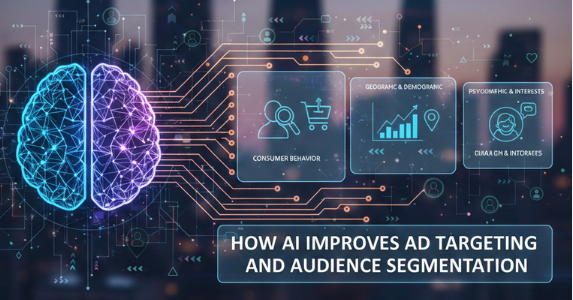
Ad targeting and audience segmentation are the foundation of successful marketing campaigns. Targeting ensures that advertisements reach potential customers who are most likely to engage with the brand. Segmentation allows marketers to divide a broad audience into smaller groups based on shared characteristics such as demographics, behavior, interests, or purchase history.
Without proper targeting and segmentation, marketing campaigns may waste resources by reaching irrelevant audiences. Traditional methods rely on basic demographics and manual research, which can be time consuming and less accurate. AI provides a smarter and more scalable solution.
How AI Enhances Ad Targeting
- Behavioral Analysis
AI can analyze user behavior across multiple platforms and channels. This includes website visits, search queries, social media interactions, and past purchases. By understanding user intent, AI can identify potential customers who are most likely to respond to specific ads. - Predictive Analytics
AI algorithms can predict future behavior based on historical data. Predictive analytics allows marketers to anticipate customer needs, identify high value prospects, and deliver ads before potential customers even realize their interest. - Real Time Optimization
AI enables real time ad targeting by analyzing live user data. Campaigns can automatically adjust bidding strategies, creative content, and targeting parameters based on user interactions, ensuring maximum engagement and conversion rates. - Personalization at Scale
AI can create personalized ad experiences for millions of users simultaneously. By analyzing individual preferences and behaviors, AI helps deliver tailored messages, product recommendations, and offers that resonate with each audience segment.
How AI Improves Audience Segmentation
- Advanced Data Analysis
AI can process large datasets that are impossible for humans to analyze manually. It identifies patterns, clusters, and correlations that reveal hidden insights about audience behavior, interests, and preferences. - Dynamic Segmentation
Unlike static segmentation methods, AI allows marketers to create dynamic segments that evolve in real time. Users can be added or removed from segments automatically based on their interactions, purchase history, or engagement levels. - Micro Segmentation
AI enables micro segmentation, where audiences are divided into smaller, highly specific groups. This allows for more precise targeting and ensures that ad content aligns closely with the needs and interests of each subgroup. - Cross Channel Integration
AI can integrate data from multiple sources, including social media, email marketing, website analytics, and CRM systems. This holistic view allows marketers to create consistent audience segments across all channels, improving campaign coherence and effectiveness.
Benefits of Using AI for Ad Targeting and Audience Segmentation
- Increased ROI: AI ensures that marketing budgets are spent on the most relevant audiences, improving conversion rates and reducing wasted ad spend.
- Higher Engagement: Personalized and well targeted ads lead to higher click through rates, longer engagement, and improved customer loyalty.
- Faster Campaign Execution: AI automates many targeting and segmentation tasks, reducing manual effort and speeding up campaign launch times.
- Continuous Improvement: Machine learning algorithms continuously analyze campaign performance, providing insights for ongoing optimization and better results over time.
Examples of AI in Ad Targeting and Segmentation
- Programmatic Advertising: AI powers programmatic ad platforms, which automatically buy ad space and target users based on real time data.
- Social Media Ads: Platforms like Facebook and Instagram use AI to recommend audiences, optimize ad delivery, and maximize engagement.
- Email Marketing: AI segments email lists dynamically and predicts which content will perform best for each recipient.
- E Commerce Recommendations: Online stores use AI to recommend products to specific user segments, increasing the likelihood of purchase.
Best Practices for Implementing AI in Ad Targeting
- Collect Quality Data: Accurate targeting depends on high quality, clean, and comprehensive data.
- Start Small and Scale: Begin with one campaign or channel to test AI targeting strategies before applying them broadly.
- Monitor Performance Regularly: Continuously track KPIs and adjust algorithms to improve results.
- Combine Human Insights with AI: While AI provides precision, human creativity is essential for messaging, branding, and strategy.
- Prioritize Privacy and Compliance: Ensure that AI tools comply with data protection regulations and respect user privacy.
Future of AI in Marketing
AI is set to further revolutionize ad targeting and audience segmentation. With advancements in natural language processing, computer vision, and predictive analytics, AI will become even more accurate and capable of understanding consumer intent. Personalized marketing at scale will become the norm, enabling businesses to connect with customers more meaningfully than ever before.
Conclusion
AI is transforming the way marketers approach ad targeting and audience segmentation. By leveraging data, machine learning, and predictive algorithms, businesses can deliver personalized, relevant, and timely ads to the right audience. The benefits include higher ROI, increased engagement, faster campaign execution, and continuous improvement.
Adopting AI in marketing is no longer optional. It has become essential for businesses that want to stay competitive and connect with consumers in a meaningful way. With the right tools, strategies, and human insight, AI can unlock the full potential of digital advertising and audience segmentation.